
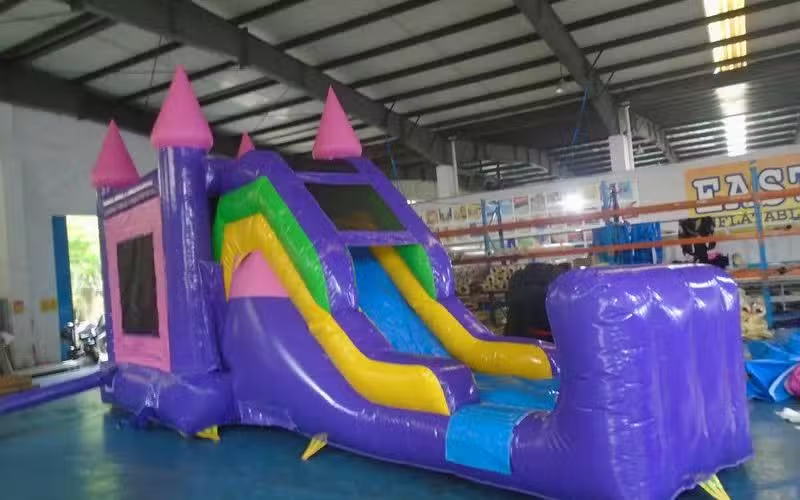
Bounce houses are built for fun and active use, but certain factors can significantly shorten their lifespan. Understanding what causes bounce houses to wear out faster helps owners prevent damage, reduce repair costs, and maintain safe operation over time.
1. Poor-Quality Materials
Bounce houses made from thin or low-grade vinyl wear out much faster. Thinner materials are more prone to tearing, stretching, and punctures, especially in high-impact areas like the bounce floor and entry steps. Commercial-grade inflatables made with thicker PVC vinyl last longer under repeated use.
2. Overloading and Exceeding Weight Limits
Allowing too many users or exceeding the recommended weight limit puts excessive stress on seams and bounce surfaces. Overloading is one of the most common causes of premature wear, leading to seam separation and weakened structural integrity.
3. Frequent Use Without Proper Rest
Continuous operation without breaks can strain the blower and inflatable structure. Rental units that run all day without cooling periods may experience faster material fatigue, especially in hot weather.
4. Improper Anchoring
Insufficient or incorrect anchoring causes bounce houses to shift during use. This movement increases stress on anchor points and seams, leading to early wear or damage. Commercial bounce houses require proper stakes or weighted anchors at all designated points.
5. Rough or Uneven Setup Surfaces
Setting up a bounce house on concrete, gravel, or uneven ground without proper protection can damage the base. Abrasion from rough surfaces gradually wears down the vinyl, even if damage is not immediately visible.
6. Exposure to Sun and Weather
Extended exposure to direct sunlight can weaken vinyl through UV damage, causing fading and material breakdown. Rain, humidity, and temperature changes also contribute to faster wear if the bounce house is not properly dried and stored.
7. Improper Cleaning Methods
Using harsh chemicals, pressure washers, or abrasive brushes can damage the vinyl surface and stitching. Additionally, storing a bounce house while damp can lead to mold, mildew, and material deterioration.
8. Poor Storage Practices
Storing bounce houses in damp, hot, or poorly ventilated areas accelerates material aging. Improper folding can create stress points that weaken seams over time. Correct storage in a cool, dry area helps extend lifespan.
9. Dragging Instead of Lifting
Dragging a bounce house during setup or teardown can scrape the base and damage seams. Repeated dragging, especially on rough ground, causes gradual but serious wear.
10. Delaying Small Repairs
Ignoring small tears, loose stitching, or minor air leaks allows damage to spread. Quick repairs prevent small issues from becoming major structural problems that shorten the bounce house’s usable life.
Final Thoughts
Bounce houses wear out faster due to a combination of material quality, misuse, environmental exposure, and poor maintenance. By following weight limits, anchoring properly, cleaning gently, and storing correctly, owners can significantly extend the life of their bounce houses and maintain safe, reliable performance.