
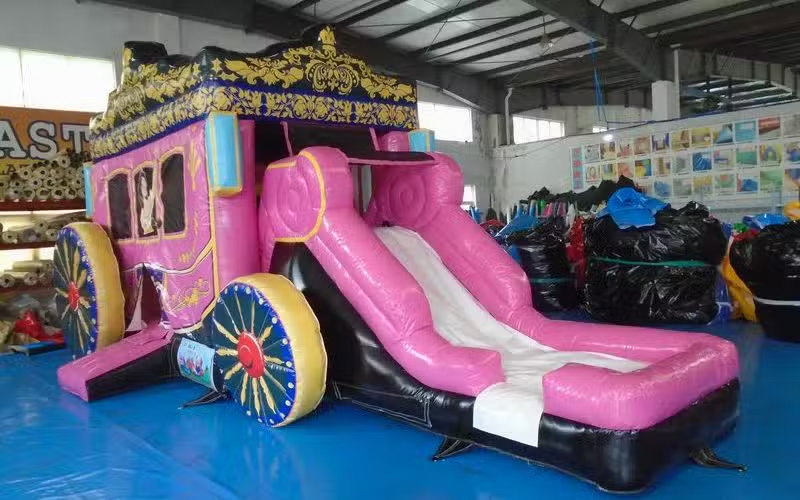
Proper storage is essential to keep a bounce house safe, clean, and durable. Whether used at home or for commercial rentals, following a structured process helps prevent damage, extends lifespan, and reduces repair costs.
Step 1: Clean and Dry Completely
- Remove dirt, grass, sand, and debris from all surfaces using clean water with mild soap or an inflatable-safe cleaner.
- Clean corners, entrance areas, and the bounce floor thoroughly.
- Allow the bounce house to dry completely, including internal areas and seams.
Benefits: Prevents mold, mildew, and unpleasant odors; keeps the vinyl clean and prevents material degradation over time.
Step 2: Deflate Properly
- Turn off the blower and open all air vents to let air escape naturally.
- Avoid forcing folds or leaving trapped air inside.
- Make sure the inflatable is completely flat before folding.
Benefits: Reduces stress on seams and stitching, preventing weak spots and deformation; prepares the inflatable for easier and safer folding.
Step 3: Fold Carefully
- Fold along natural seams and straight lines.
- Avoid tight rolls or sharp creases, especially on the bounce floor, corners, and entrance.
- Keep folds neat and even for easier handling and storage.
Benefits: Protects seams and stitching from fatigue; maintains proper shape and prevents permanent creases that could weaken the inflatable.
Step 4: Use Protective Storage
- Place the folded bounce house in a storage bag or heavy-duty cover.
- Label bags if necessary for inventory or easier identification in rental operations.
- Ensure the cover fully encloses the inflatable to prevent dust, pests, and accidental punctures.
Benefits: Keeps the bounce house clean and protected from environmental damage; reduces the risk of punctures and insect damage.
Step 5: Choose the Ideal Storage Location
- Store in a cool, dry, and well-ventilated area.
- Avoid direct sunlight, high humidity, or extreme temperatures.
- Leave space around the inflatable for airflow.
Benefits: Preserves vinyl strength, prevents material aging from heat or UV exposure, and avoids moisture-related mold or mildew.
Step 6: Store Off the Ground
- Place the bounce house on a shelf, pallet, or raised platform instead of directly on the floor.
- Avoid placing heavy objects on top.
Benefits: Protects the inflatable from ground moisture, pests, and accidental spills; reduces pressure on seams and prevents deformation.
Step 7: Inspect Periodically
- Check the bounce house occasionally for moisture, odors, or minor damage.
- Perform small repairs as needed.
- Refold occasionally to prevent permanent creases.
Benefits: Ensures long-term durability and safety; allows early repair of small issues before they worsen; keeps the inflatable ready for use.
Common Storage Mistakes to Avoid
- Storing while damp
- Dragging instead of lifting the inflatable
- Placing heavy objects on top
- Leaving it in extreme heat, cold, or high humidity
Final Takeaway
Proper storage includes cleaning, drying, deflating, careful folding, protective covering, selecting the right environment, storing off the ground, and periodic inspections. Following these steps helps your bounce house remain safe, clean, and durable for years of use.